

Asymmetric Dimethylarginine(ADMA):Key Biomarker for Endothelial Dysfunction| Cloud‑Clone ELISAkit for Accurate Detection
Overcoming key analytical challenges for ADMA measurement to support research on vascular-related disorders
HUSTON, TX, UNITED STATES, September 15, 2026 /EINPresswire.com/ -- Asymmetric dimethylarginine (ADMA) is a well-recognized small-molecule metabolic biomarker closely linked to vascular health. Elevated ADMA levels trigger endothelial impairment and participate in the pathological progression of cardiovascular, metabolic and renal diseases. Reliable quantification of ADMA poses substantial technical barriers for researchers. This release introduces how Cloud-Clone’s optimized ELISA kit addresses major testing pain points and delivers reproducible measurement data for global life-science investigations.
What is Asymmetric Dimethylarginine (ADMA)
Asymmetric dimethylarginine (ADMA) is a high-profile small-molecule metabolic biomarker widely studied in cardiovascular, metabolic and nephrological research fields, and serves as a specific indicator of vascular endothelial injury. As a methylated metabolite of arginine, ADMA powerfully competes with endogenous substrates to inhibit endothelial nitric oxide synthase, blocks production of nitric oxide-a critical vasodilator, and disturbs the physiological balance between vasoconstriction and vasodilation. It acts as a key intermediate molecule connecting metabolic disturbance, inflammatory response and vascular pathological changes. Thanks to its well-defined signalling pathway and stable pathological expression profile, ADMA has become a vital detection target in vascular biology, cardiovascular pharmacology and chronic complication research.
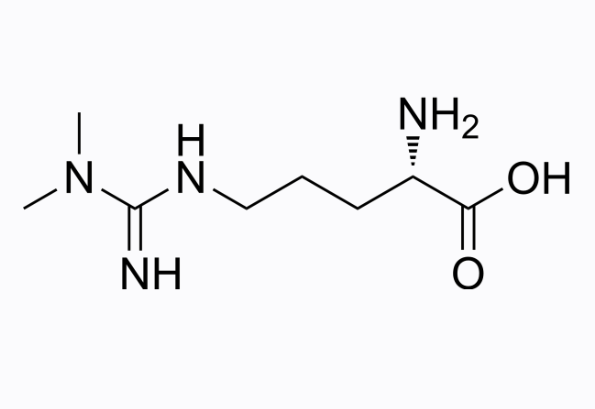
Figure 1 The molecular structural formula of asymmetric dimethylarginine (ADMA)
ADMA is generated through post-translational protein methylation. Arginine residues within proteins undergo asymmetric dimethylation catalyzed by protein arginine methyltransferases (PRMTs). Upon proteolytic breakdown of methylated proteins, free ADMA is released into cytosol and circulating blood. In vivo ADMA concentrations are controlled via metabolism and excretion. Most ADMA is hydrolyzed by dimethylarginine dimethylaminohydrolase (DDAH), which represents the primary regulatory pathway for ADMA homeostasis. A minor fraction of unmetabolized ADMA is cleared via renal excretion into urine. Increased PRMT activity, impaired DDAH function or compromised renal function will cause ADMA accumulation, which sequentially induces vascular dysfunction.
The primary pathogenic mechanism of ADMA lies in competitive inhibition of eNOS. L-arginine functions as the natural substrate for nitric oxide synthesis. Due to high structural similarity, ADMA occupies the active site of eNOS and suppresses nitric oxide generation. Under physiological conditions, ADMA maintains very low circulating concentrations and does not interfere with vascular function. When ADMA accumulates excessively, insufficient nitric oxide impairs endothelium-dependent vasodilation, leading to vasoconstriction, elevated peripheral resistance, abnormal proliferation of vascular smooth muscle cells and lipid deposition. Meanwhile, ADMA amplifies oxidative stress and inflammatory responses to further worsen endothelial damage, creating a self-reinforcing vicious cycle of endothelial injury and rising ADMA concentrations. ADMA also modulates platelet activation and coagulation status to raise thrombotic risk and accelerates the progression of vascular lesions.
From physicochemical and analytical perspectives, ADMA is a polar small organic molecule with limited chemical stability. Ambient-temperature storage, light exposure and repeated freeze-thaw cycles accelerate its degradation and produce falsely low test readings. Biological samples contain structurally close methylarginine analogues including symmetric dimethylarginine (SDMA) and monomethylarginine (L-NMMA), which readily create homologous cross-interference. Test samples commonly include serum, plasma, cell culture supernatant, tissue homogenate and urine. These matrices are rich in proteins, lipids, inorganic salts and miscellaneous metabolites that trigger non-specific binding and increase difficulties for precise quantitative analysis.
ADMA accumulation correlates with multiple severe human diseases and supports broad basic-research applications. For cardiovascular disorders, raised ADMA acts as an independent risk factor for essential hypertension, coronary heart disease, heart failure, pulmonary hypertension and cerebral infarction, with its concentration correlating with disease severity and prognostic risk. Within metabolic disease research, patients with diabetes, obesity and dyslipidaemia frequently exhibit reduced DDAH activity and subsequent ADMA buildup, which contributes to macro- and microvascular complications as well as diabetic nephropathy. For chronic kidney disease, kidneys serve as a major organ for ADMA elimination. Renal function decline hinders ADMA clearance, and accumulated ADMA further aggravates renal vascular damage to establish a pathological feedback loop. Beyond these fields, ADMA is adopted as a core marker for evaluating endothelial function in pre-eclampsia, age-related vascular degeneration and inflammation-driven vascular injury studies.
Today, ADMA represents an essential biomarker for endothelial mechanism exploration, cardiovascular disease animal model construction, metabolic complication investigation, endothelial-protective drug screening and disease risk assessment. Whether for in-vitro endothelial cell intervention assays, in-vivo vascular-damage animal modelling, or efficacy evaluation of vascular-protective agents, accurate quantification of ADMA concentrations is fundamental for experimental implementation, mechanism interpretation and academic publication.
Comparison of Mainstream Detection Technologies and Core Experimental Bottlenecks in ADMA Assays
As a small polar metabolite accompanied by numerous structural homologues and susceptibility to degradation, ADMA can be measured with multiple established technical approaches. These methods differ significantly in sensitivity, specificity, operational complexity, throughput and overall cost. Mainstream techniques and shared experimental challenges are summarized below.
1. Performance Comparison of Four Mainstream Detection Approaches
High-Performance Liquid Chromatography (HPLC) is a classic technique for quantifying methylated arginine derivatives. Analytes are separated on chromatographic columns to distinguish ADMA from SDMA, L-NMMA and other analogues, followed by ultraviolet or fluorescence detection. Pre-column derivatization is sometimes required to enhance signal intensity. HPLC delivers favourable separation performance and reliable quantification and enables simultaneous measurement of multiple methylarginine components. Nevertheless, it demands high instrument investment and maintenance expenditure. Sample pre-treatment involves multi-step procedures such as deproteinization, extraction, derivatization and filtration. Long assay duration and low sample throughput restrict HPLC mostly to small-sample validation and reference calibration rather than high-throughput animal studies or drug screening workflows.
Liquid Chromatography-Tandem Mass Spectrometry (LC-MS/MS) delivers the highest analytical accuracy for ADMA testing. It combines powerful chromatographic separation with superior mass-spectrometric molecular identification to differentiate ADMA from isomers and related metabolites. Strong anti-matrix-interference capacity permits trace-level precise quantification, and LC-MS/MS-generated data are highly authoritative for high-impact publications, reference-material traceability and complex-sample analysis. Still, the instrument requires substantial capital investment and complicated routine maintenance, alongside high-level operator expertise. Low sample throughput limits its regular application in most standard research laboratories.
High-Performance Capillary Electrophoresis achieves separation and quantification based on differences in analyte electrophoretic mobility, featuring low reagent consumption and relatively fast analysis. However, assay reproducibility is heavily affected by ambient temperature, voltage settings and buffer composition. Poor anti-interference capability prevents it from delivering quantitative quality meeting publication standards; it is only suitable for preliminary exploratory work instead of routine quantitative measurement.
Enzyme-Linked Immunosorbent Assay (ELISA) has become the preferred mainstream solution for basic-science research. Experiments can be completed with standard laboratory microplate readers without large precision instruments. Sample pre-treatment is simplified, removing complicated extraction, derivatization and purification steps. ELISA features easy operation, high throughput and competitive overall costs. It is compatible with serum, plasma, cell supernatant, tissue homogenate, urine and other biological matrices, and widely applied in animal modelling, cell intervention, gradient drug screening and large-sample statistical analysis. Even so, commercially available generic ADMA ELISA kits have notable drawbacks. Without optimized stabilization components, ADMA degrades readily and generates underestimated readings. Insufficient antibody specificity leads to cross-reactivity against SDMA, L-NMMA and similar molecules. Limited sensitivity fails to capture subtle ADMA fluctuations during early-stage disease or mild drug intervention, which results in data deviation, non-significant inter-group differences and poor repeatability.
2. Four Major Experimental Challenges in ADMA Quantification
Practical ADMA quantification frequently suffers from distorted data, inconsistent parallel replicates and indistinct inter-group distinctions. The key pain points are concluded as follows:
- Ex-vivo degradation: ADMA possesses low chemical stability. Ambient-temperature incubation, light exposure and repeated freeze-thaw accelerate its decomposition. Conventional buffer systems cannot offer effective protection and yield measured values lower than true sample concentrations.
- Severe interference from homologous analogues: Structural resemblance among SDMA, L-NMMA and ADMA makes precise differentiation difficult for ordinary antibodies, triggering cross-reactions, false-positive signals and data bias.
- Difficulty detecting subtle concentration shifts: ADMA only changes marginally in early disease phases or low-dose drug intervention. Kits with inadequate sensitivity cannot identify biologically meaningful inter-group variations and produce statistically non-significant experimental outputs.
- Complex sample matrix effects: Plasma, tissue homogenate, urine and other specimens contain abundant heterologous proteins, lipids and ionic impurities that induce non-specific binding, increase data dispersion and impair assay reproducibility.
Distinct Technical Advantages of Cloud-Clone ADMA ELISA Kit
Targeting ADMA’s inherent limitations including ex-vivo lability, homologous molecular interference, trace-level abundance and complicated matrix backgrounds, Cloud-Clone leverages technical accumulation in small-molecule antigen modification, high-specificity antibody generation, sample stabilization and competitive-mode ELISA optimization. The independently-developed Asymmetric Dimethylarginine (ADMA) ELISA Kit (Cat.No. CEB301Ge) is comprehensively upgraded in antibody design, buffer formulation, signal amplification and anti-interference components to satisfy detection requirements in vascular biology, cardiovascular research, metabolism and nephrology.
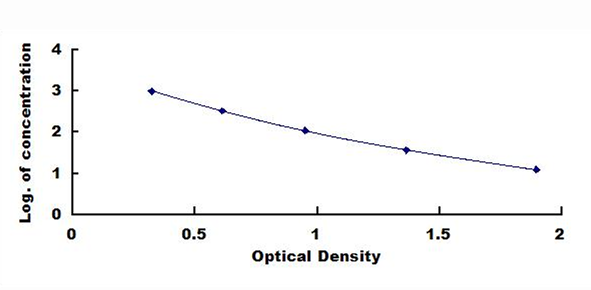
Figure 2 ELISA Kit for Asymmetrical Dimethylarginine (ADMA) standard curve
1. High-Specificity Antibody System to Eliminate Homologue-Derived Interference
Custom immunogens are designed targeting ADMA’s unique spatial conformation. After iterative immunization, hybridoma screening and affinity purification, high-affinity monoclonal antibodies are obtained that precisely recognize ADMA-specific epitopes. Validation confirms negligible cross-reactivity against SDMA, L-NMMA, L-arginine and other structurally-related metabolites. False-positive outcomes and homologous interference are minimized at the source to guarantee authentic and reliable assay outputs.
2 Dedicated Stabilization System to Suppress Small-Molecule Degradation
Optimized stabilizing buffers are integrated within the kit. They inhibit ADMA degradation throughout sample dilution, incubation and enzymatic reaction processes, while neutralizing hydrolytic enzyme activities in specimens to preserve original ADMA concentrations. This mitigates artificially lowered measurements and batch-to-batch variation and improves overall experimental stability.
3 High Sensitivity with Broad Linear Range to Cover Full Concentration Gradients
Optimized solid-phase coating protocols and enzymatic signal-amplification systems enhance kit sensitivity, enabling detection of subtle ADMA variations under physiological baseline conditions, early pathological injury, advanced lesions and drug-intervention scenarios. Meanwhile, an expanded linear quantification window spans physiological baseline through pathological high-concentration ranges. Repeated serial dilution of high- or low-concentration samples is avoided to reduce human-operated experimental error.
4 Multi-Species and Multi-Matrix Compatibility for Standardized High-Throughput Workflows
This product is compatible with common laboratory species including human, rat, mouse and rabbit. It works with serum, plasma, vascular or renal tissue homogenate, cell culture supernatant and urine. Complicated extraction, derivatization and purification steps are not required; samples can be loaded after simple centrifugation and dilution. The complete assay can be finished within three hours with a detachable 96-well plate layout. All reagents are pre-formulated and ready-to-use for straightforward handling. It fits both small-sample mechanism verification and large-scale animal cohort studies as well as high-throughput drug screening. Consistent performance across kit batches supports long-term cross-batch data comparison and experimental reproducibility.
Core Research Application Scenarios
Benefiting from high specificity, robust stability, superior sensitivity, strong anti-interference performance and simple operation, Cloud-Clone ADMA ELISA Kit serves diverse research directions covering cardiovascular science, metabolism, nephrology and pharmacology.
1 Mechanism Research on Vascular Endothelial Function
Endothelial-damaged cellular and animal models are established using human umbilical vein endothelial cells or animal vascular tissues. ADMA concentrations are quantified and analysed jointly with NO, eNOS and DDAH markers to decipher molecular mechanisms behind endothelial injury and vascular dysfunction.
2 Cardiovascular Disease Research
In animal models for hypertension, atherosclerosis, coronary heart disease, cerebral infarction and pulmonary hypertension, ADMA levels in plasma and tissues are measured to explore ADMA’s roles in vascular remodelling, lipid deposition and thrombosis, and to interpret disease onset, progression and risk mechanisms.
3 Metabolic Disorders and Related Complication Research
For experimental models of diabetes, obesity and dyslipidaemia, ADMA concentrations are assayed to investigate how metabolic dysregulation drives ADMA accumulation. Researchers can explore correlations between ADMA and diabetic vascular complications as well as diabetic nephropathy and generate experimental evidence for complication prevention and intervention.
4 Chronic Kidney Disease Research
In models of chronic renal impairment and nephritis, ADMA in blood and urine is quantified to analyse reciprocal interactions between declining renal function and impaired ADMA clearance, reveal intrinsic mechanisms of renal vascular injury and evaluate the severity of kidney damage.
5 Drug Screening and Efficacy Assessment for Vascular-Protective Compounds
The kit supports high-throughput screening and efficacy evaluation for endothelial-protecting agents, antihypertensives, anti-diabetic drugs, anti-inflammatory molecules, herbal monomers and compound formulations. Changes in ADMA concentrations reflect drug-mediated improvement of endothelial function and reduction of ADMA accumulation, helping clarify drug targets and identify optimal dosing regimens.
6 Research on Disease Risk and Prognostic Evaluation
Combining animal modelling and long-term intervention studies, researchers analyse correlations between ADMA concentration, lesion severity and disease outcomes, and explore ADMA’s potential as an early-warning and prognostic-evaluation biomarker.
Conclusion
Asymmetric dimethylarginine (ADMA) is a critical small-molecule metabolite governing vascular homeostasis. It induces endothelial dysfunction via inhibiting nitric oxide synthesis and participates in pathological cascades of cardiovascular diseases, metabolic syndromes, chronic kidney disorders and multiple other severe illnesses. It constitutes an irreplaceable core biomarker for vascular-focused investigations.
ADMA testing faces inherent obstacles: facile ex-vivo degradation, interference from structural homologues, complex sample matrices and difficulty capturing minor concentration shifts. Conventional liquid-phase chromatography and mass-spectrometry tools suffer from high entry barriers, limited throughput and substantial costs and are ill-suited for routine large-batch research work. Generic ELISA kits lack sufficient stability and specificity and may produce misleading data that delay research progress. Cloud-Clone ADMA ELISA Kit systematically resolves ADMA measurement challenges through high-performance antibodies, dedicated stabilization buffers, enhanced signal-sensing modules, multi-dimensional anti-matrix-interference formulations and standardized operating workflows.
Covering endothelial-function mechanistic studies, cardiovascular disorder investigations, metabolic-complication research, chronic kidney disease exploration and drug development workflows, this kit delivers precise, stable and repeatable measurement outputs to facilitate global research projects and high-quality academic publications. Cloud-Clone will continue advancing detection solutions for small-molecule metabolites and biomarkers, optimize product performance and expand research-reagent portfolios to support life-science and biomedical investigations worldwide.
For researchers seeking reliable ADMA quantification tools for vascular-related studies, Cloud-Clone provides ready-to-use ELISA kits with comprehensive technical support. Further product information and technical inquiries can be obtained via official global channels.
About Cloud-Clone Corp.
Cloud-Clone Corp. is dedicated to the development and production of high-quality immunoassay reagents and detection solutions. With a focus on antibody engineering, multiplex assay development, and cross-platform compatibility, the company provides research tools designed to support precision medicine and advanced biomedical investigation globally. Our core products and services include the research and development of proteins, antibodies, ELISA kits, primary cells, and multiplex cytokine assay kits, as well as professional CRO services to fully meet the diverse needs of biomedical research and related fields.
For more information about Cloud-Clone Corp, visit www.cloud-clone.com.
CLOUD-CLONE CORP.(CCC)
Tel: 001-832-538-0970, 0086-27-8425-9552
Email: mail@cloud-clone.com, sales@cloud-clone.us
Visit us on social media:
LinkedIn: https://www.linkedin.com/company/cloud-clone-corp/
Instagram: https://www.instagram.com/cloudclonecorp2023/
TickTok: https://www.tiktok.com/@cloudclonecorp2026
SuKi Duan
CLOUD-CLONE CORP.WUHAN
email us here
Visit us on social media:
LinkedIn
Instagram
TikTok
X
Legal Disclaimer:
EIN Presswire provides this news content "as is" without warranty of any kind. We do not accept any responsibility or liability for the accuracy, content, images, videos, licenses, completeness, legality, or reliability of the information contained in this article. If you have any complaints or copyright issues related to this article, kindly contact the author above.
